


Existing home sales have shrunk to their lowest level since the 1990s. We’re told it’s an affordability problem, a byproduct of mortgage rates that are too high, home prices that have risen too much, and incomes that are too uncertain. But what if something else is at work? And what if that “something else” can be addressed?
Many would-be borrowers believe that every real estate transaction requires 20% down. They’re certain that homes must be bought with 20% down; otherwise you have to rent, share, or move back with Mom and Dad. It’s misinformation, and it’s a deal-killer.
- A 2025 report from NerdWallet found that “62% of Americans say that a 20% down payment is required to buy a home.”
- A recent study by S. Mortgage Insurers (USMI) said most of those surveyed didn’t know or were “mistaken” about down payment requirements.
- “More than 4 in 5 (81 percent) of prospective buyers say the one-two punch of the expense of the down payment and closing costs is standing in their way,” according to Bankrate’s 2025 Down Payment Survey. “Fifty-two percent call the obstacle ‘very significant,’ and 29 percent refer to it as ‘somewhat significant.’”
The reality is different. According to the National Association of Realtors (NAR), the typical first-time buyer purchased with 10% down in 2025. That’s not close to 20%, and many buyers purchase with far less upfront by using VA funding (0% down), FHA mortgages (3.5%), USDA financing (0%), and conforming loans (3%).
Misinformation is a major barrier for many would-be borrowers; it creates the impression that ownership is unattainable. Buyers often have sufficient income to support monthly payments but not enough for a 20% down payment. If they knew that they could purchase with less up front, the real estate market might be far more appealing.
“In today’s market, 20% down can easily mean an upfront cost of more than $80,000 plus closing expenses,” said Rob Barber, CEO with ATTOM. “Less down means many households can buy today, rather than in the distant future. That can be a big advantage if home prices increase, as we have generally seen since 2020.”
Here are five basic strategies that reduce upfront costs and can convert many prospective purchasers into actual homeowners.
1. Right-Sizing Home Space
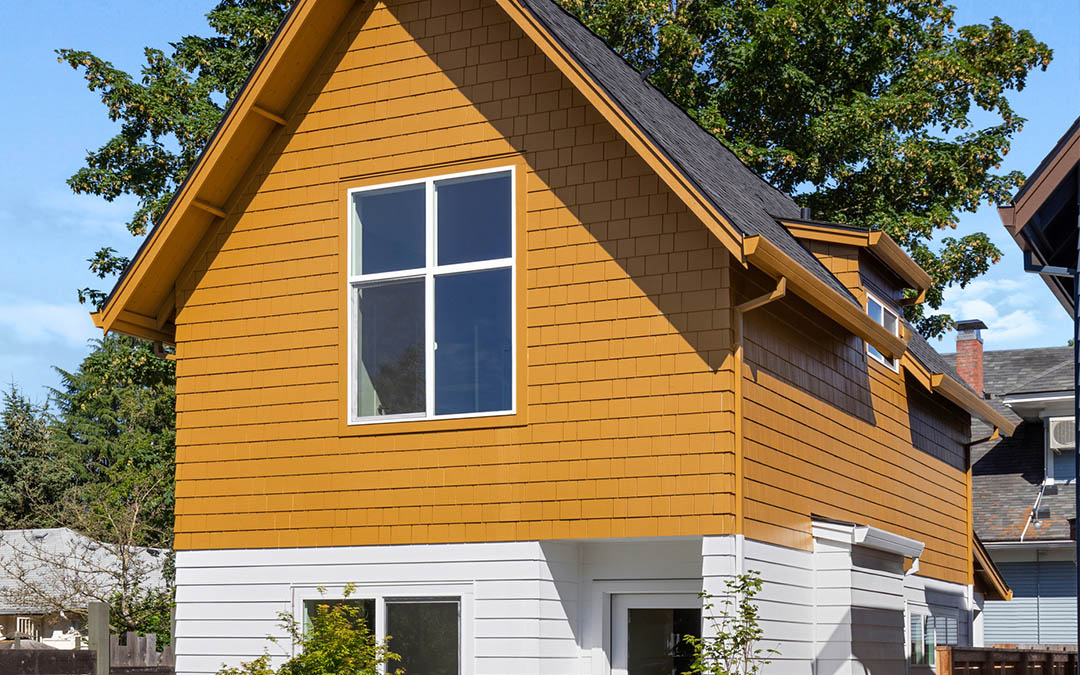
One way to increase affordability is to buy a smaller home on a smaller lot, and that’s what’s happening.
New homes typically had 2,300 sq. ft. from 2019 to 2022, according to the National Association of Home Builders (NAHB). The median size fell to 2,150 sq. ft. in 2024, the lowest in 15 years.
Homes are often valued on the basis of their cost per square foot, and reducing build size or buying a smaller home can produce significant economies. At $200 to $250 a square foot, cutting 150 sq. ft. saves the new owner from $30,000 to $37,500. That means a lower sale price, less down, a reduced mortgage amount, smaller monthly payments, and significant property tax savings.
2. New Rules Are Helping
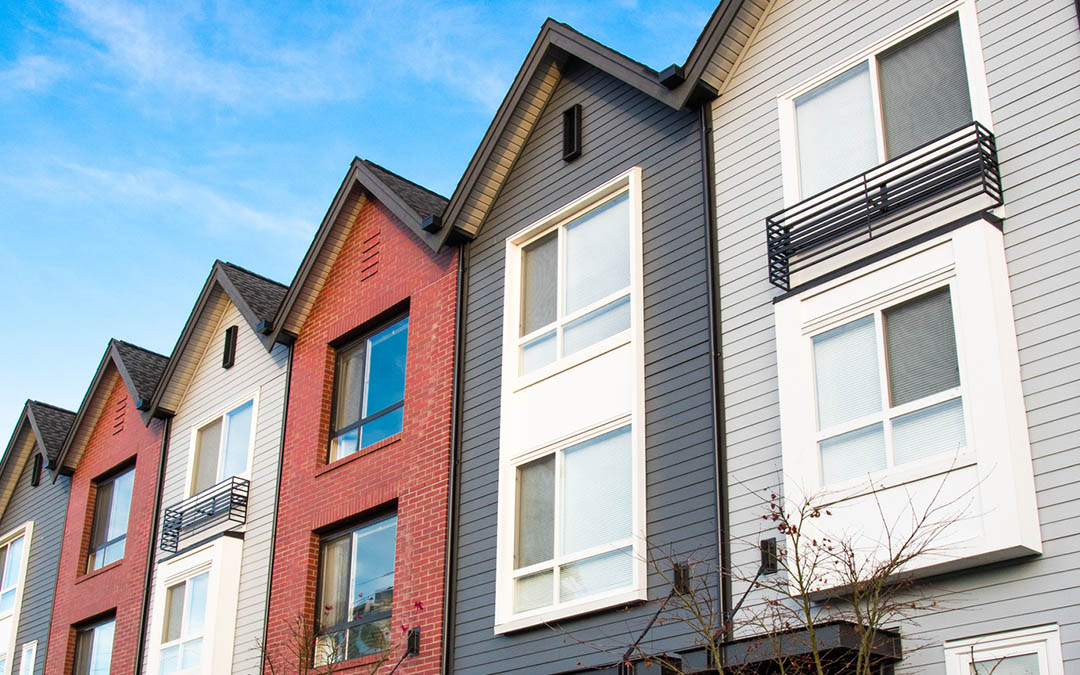
Houses would cost less if we could get more homes per acre. We can do that with smaller lots – in fact, NAHB says new-home lot sizes shrank by 1,000 sq. ft. during the past 15 years.
Building lots have routinely been zoned for single-family housing. However, many existing lots have space for one or more additional units. Many jurisdictions, needing more housing units, have now liberalized zoning rules to allow development on smaller lots. With more housing options, home prices are under less pressure to increase.
According to a December report from the National Association of Home Builders, about 20% of all new home construction involves infill development. Infill construction can be especially attractive because lots may be closer to downtown business and entertainment areas, meaning less commuting for owners.

3. Down Payment Assistance Reduces Upfront Costs
Loans with little or nothing down eliminate or reduce a major affordability hurdle, but they are not cost-free. That’s because borrowing with less upfront means the loan size is larger, thus increasing monthly mortgage payments. In addition, borrowers can face upfront and monthly mortgage insurance or loan guarantee fees when purchasing with little down.
Borrowers, however, can get an additional lift when they combine small upfront costs with down payment assistance programs (DPAs). According to DownPaymentResource (DPR), there were more than 2,600 DPA programs nationwide as of December.
“With an average benefit of approximately $18,000,” said DPR, “down payment assistance remains a critical tool for helping lenders qualify mortgage-ready buyers. On average, assistance reduces a borrower’s loan-to-value ratio by 8.8%, strengthening loan profiles and expanding access to credit. Many programs also support closing costs, prepaid expenses, mortgage rate buydowns and reductions in mortgage insurance costs. Some buyers are able to layer multiple programs to further improve affordability.”
DPA programs are not just available to first-time buyers. Repeat buyers are welcome in many programs, and “first-time” purchasers are often defined as those who have not owned real estate during the past three years. There are special programs for teachers, law enforcement, firefighters, and healthcare professionals. Many programs accept borrowers with incomes of $100,000 or more.
Not all down payment programs are the same, so always ask for details.
- Some federal programs have a “recapture” provision if you live at the property for less than a given period, say nine years.
- “Silent seconds” are second loans that require no monthly payment. However, when the property is sold or refinanced, the loan may have to be repaid.
- Down payment help may come with a “shared appreciation” provision so that when you sell, the program gets back some of the profit.
- Forgivable loans are reduced each year you live in the property until the entire amount is repaid.
- With some programs, you get down payment money, but the interest rate on the first loan is higher than you otherwise might pay. There may be a penalty if you quickly refinance.
- Grants are outright financial awards that do not require interest or principal repayments if all program requirements are met.
DPA financing can mean lower monthly costs and a reduced need for cash up front. This can help buyers get past down payment worries and acquire a home. However, always ask for program details to avoid financial surprises down the road.

4. Seller Contributions Increase Affordability
Buyers now have marketplace leverage in a growing number of areas. One way to use such leverage is with so-called “seller contributions” or “interested party contributions” (IPCs), money and discounts from the seller that make home purchases inherently more affordable.
For example, as much as 6% seller contributions are available when financing with FHA loans, 4% with VA seller concessions, and 6% with USDA loans. Discounts of 3% to 9% are available with residential conforming loans acceptable to Fannie Mae and Freddie Mac. The conforming percentage depends on such factors as the amount down and whether the property will be used as a primary residence, second home, or investment.
Seller concessions must be negotiated, and owners will likely oppose them. But if sales have slowed, then seller concessions may be necessary to close a transaction.
Seller contributions cannot be used for down payments or to provide cash back to the buyer, but they can offset closing expenses such as origination fees, discount points, and title charges. Lower closing costs mean borrowers have more cash available for down payments. Lenders can provide program details and will welcome seller contributions because they make it easier for borrowers to qualify.

5. Gifts Mean No Interest and No Repayment
One useful way to offset real estate costs is to get help from friends, family, employers, and unions. Such support can range from small amounts to substantial sums. For example, there’s a $19,000 annual gift tax exclusion in 2026. This means the Smiths can each give $19,000 to their daughter, for a total of $38,000. They can also give $19,000 each to the daughter’s husband, another $38,000, for a combined tax-free transfer of $76,000.
While relatively few families can make the largest tax-free gifts, many can make smaller contributions together. Think of a wedding as an example.
“Asking for money as a wedding gift is completely acceptable,” according to The Knot. “Whether it’s the only thing on your registry or simply a part of it, requesting cash for wedding gifts isn’t considered taboo. In fact, monetary gifts have a long history across weddings in different cultures.”
“With an average guest list of 120 attendees and the average wedding gift value of $186, your big day could be the first day of a sound financial future,” says HomeFundIt.com. “Buying a home is an investment in an appreciating asset. What is more valuable to you, blenders or homeownership?” In this example, a happy couple will get $22,320 ($186 x 120).
Mortgage lenders will want a gift letter from donors and perhaps other paperwork. The gift letter will make it clear that the money is really a gift and that no interest or repayment is required. Speak with lenders and tax professionals for specific information.